Moula: The Elegant Script Font for Handmade Makers
There’s a moment I love, just before the ink hits the paper or the vinyl gets cut. It’s that quiet space where the design feels complete, and you’re almost ready to make it real. This morning, that moment came as I was tweaking the text for a new candle label. I’d been cycling through fonts, looking for something that felt like my brand—a little vintage, a lot warm, and unmistakably handmade. Then I opened Moula.
The Personality of a Perfect Script
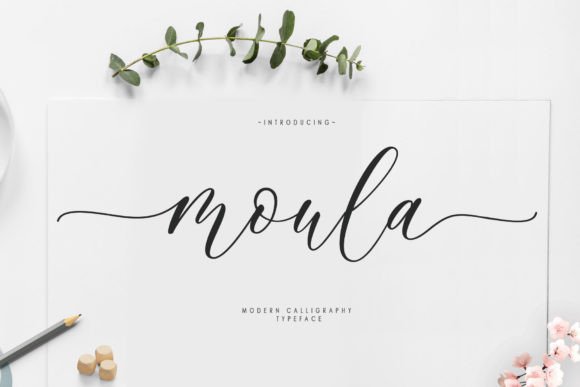
Moula isn’t just another script font. It has a distinct personality. It’s elegant, yes, but it’s also incredibly friendly. The letters flow with a natural rhythm, each connecting to the next in a way that feels organic rather than rigid. It avoids the overly formal stiffness some scripts can have, instead offering a charming, almost conversational grace. The shape of each character is, as the description says, perfect—balanced and beautiful, with a visual weight that feels substantial without being heavy. For a maker, this translates into a font that adds a touch of sophistication without distancing your customer. It says “carefully crafted” in a warm, inviting voice.
Bringing Moula to Life on Real Products
The true test of any font is how it behaves when you take it from the screen and put it into production. Moula excels here. I started with that candle label, setting the scent name—“Cedar & Clove”—in Moula. It instantly elevated the simple jar. On a mockup for a wedding invitation, the couple’s names rendered in Moula became a focal point of gentle romance. But its utility goes far beyond these classics.
Think of the surfaces and mediums we work with every day:
- Labels & Tags: From apothecary jar labels to boutique clothing tags, Moula gives product information a luxurious feel.
- Greeting Cards & Stationery: Whether for birthdays, holidays, or thank-you notes, the font’s charm makes every message feel more personal.
- Wedding Suite: Invitations, welcome signs, seating charts, and programs all gain a cohesive, elegant typographic voice.
- Printable Wall Art & Planner Pages: For digital downloads, quotes and titles in Moula create an instant focal point of beauty.
- Stickers & Decals: Even at smaller sizes, the clear shapes remain readable, perfect for logo stickers or decorative elements for planners.
- Merchandise: On mugs, tote bags, and t-shirts, a short phrase like “Morning Coffee” or “Book Lover” in Moula becomes a wearable piece of art.
- Packaging & Signs: Simple kraft paper packaging stamped with a Moula “Thank You” feels special. A small wooden sign for a home business looks professionally crafted.
Readability and Production Considerations
When working with physical products, readability is key. For cutting machines like Cricut or Silhouette, Moula’s well-defined character shapes translate cleanly into SVG files, minimizing intricate cuts that might not weed properly. On small stickers or product labels, I recommend using it for primary titles or names rather than lengthy descriptive text—it’s a display font, and it shines in that role. For printed cards or mockup previews in your shop listings, ensure you’re using a high-resolution export so the elegant details aren’t lost. A little extra spacing between letters can also help clarity on certain materials like etched glass or embroidered fabric.
Building a Cohesive Brand Story
For a handmade business, consistency is everything. Using Moula across your range—from your product labels to your social media graphics—builds a recognizable brand identity. Customers start to associate that elegant, friendly script with your work. This font choice affects perceived quality; it subtly signals that attention has been paid to every detail, from the product itself to its presentation. That emotional appeal, that feeling of receiving something special, is often rooted in these subtle design choices.
The Art of Pairing Moula with Other Fonts
Moula is a star, but it needs a supporting cast. For longer text blocks like policies on a tag, instructions on a printable, or the body of an invitation, pairing it with a clean, simple sans serif font is ideal. This keeps everything readable and lets Moula’ decorative beauty stand out where you want it. For a more vintage, editorial feel, a modest serif font can also work beautifully. The goal is contrast—let Moula be the expressive voice for headlines, names, and key phrases, and use a more utilitarian typeface for the essential details. This pairing creates a balanced, professional design system.
A Final Checklist Before You Create
Before you integrate Moula into your products for sale, do a quick practical check. Open the font file and explore:
- Styles & Features: Does it include alternates or ligatures that could add variation to your designs? Are there swashes for truly decorative beginnings and endings?
- File Formats: Ensure you have the formats you need for your software—whether for print, cutting machines, or web use.
- Language Support: If your products use characters beyond basic English, confirm the font supports them.
- The License: This is crucial. Verify that your Moula license covers commercial use for selling physical products, digital downloads, and merchandise. It’s the foundation for using any font professionally.
Then, just start creating. Set a favorite quote on a mockup for printable wall art. Design a tag for a new batch of honey jars. Sketch out a holiday card. Watch how Moula translates your care into visible elegance. It becomes more than a tool; it becomes part of your maker’s voice, adding that perfect shape and graceful flow to the story you’re telling through every item you craft.